
Why altitude and heat reduce available output
A combustion engine takes in oxygen by mass, not by volume. As air density falls with elevation and temperature, the engine may have less oxygen and cooling margin for the same displacement and fuel setting. Turbocharging and control strategy change the response but do not remove the need for model-specific data.
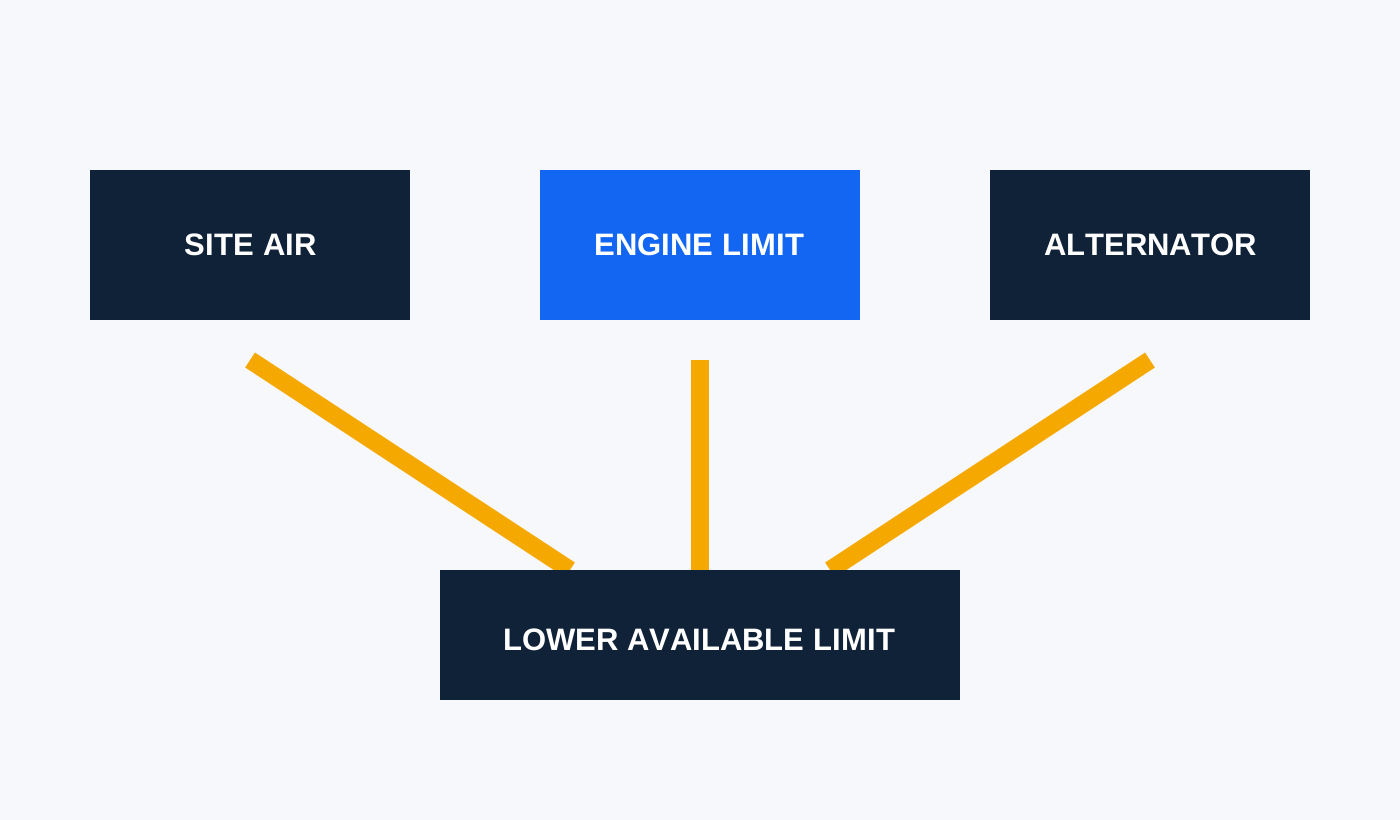
The alternator and enclosure also have thermal limits. Hot, thin air removes heat less effectively. Winding temperature rise, fan performance, radiator approach, acoustic pressure drop and recirculation can limit the set before the engine nameplate does.
Freeze the real site inputs
Record elevation above sea level, maximum and minimum ambient air at the generator inlet, humidity or special atmosphere, enclosure/room arrangement, ventilation path, radiator discharge, fuel properties and emissions configuration. Use the worst credible simultaneous operating condition, not the nearest city average.
Separate outdoor ambient from air entering the radiator. Louvres, ducting, nearby walls, multiple sets, prevailing wind and hot-air recirculation can raise inlet temperature.
- Site elevation and design temperature range
- Indoor/outdoor enclosure and ventilation resistance
- Diesel or gas fuel specification and pressure
- Continuous load, step loads, motor starts and power factor
- Required voltage/frequency recovery and redundancy
Use model-specific engine and alternator curves
Do not apply a universal percentage per 1,000 metres or per degree. Obtain the engine manufacturer’s altitude and temperature derating method for the exact rating, speed, fuel and emissions setup. Obtain the alternator manufacturer’s ambient and altitude correction factors for the winding insulation, temperature rise and enclosure.
Calculate the limiting real-power and apparent-power capability, then check current, power factor and load-step response. A kVA value that fits steady state may still fail a large motor start or block load.
Size from derated capacity and dynamic loads
Build the load list in kW, kVA, power factor, starting method, inrush, sequence and duty. Apply diversity only where operations actually prevent simultaneous demand. Compare the derated generator capability with steady load, largest step, motor start, voltage dip and frequency recovery.
Preserve operating margin for control stability, future growth and normal variation, but do not use a universal oversizing rule. Excessive oversizing can create other operating problems, especially for lightly loaded diesel sets.
Treat ventilation as part of the rating
The room or canopy must supply combustion and cooling air and remove radiator and radiated heat without excessive restriction or recirculation. Coordinate louvre free area, filters, silencers, duct losses, fan curve and discharge location.
Instrument commissioning with inlet/outlet temperatures, airflow or pressure where required, engine temperatures, electrical load and alarms. A factory load test at different ambient conditions does not prove the final room.
Verify at commissioning and keep the basis
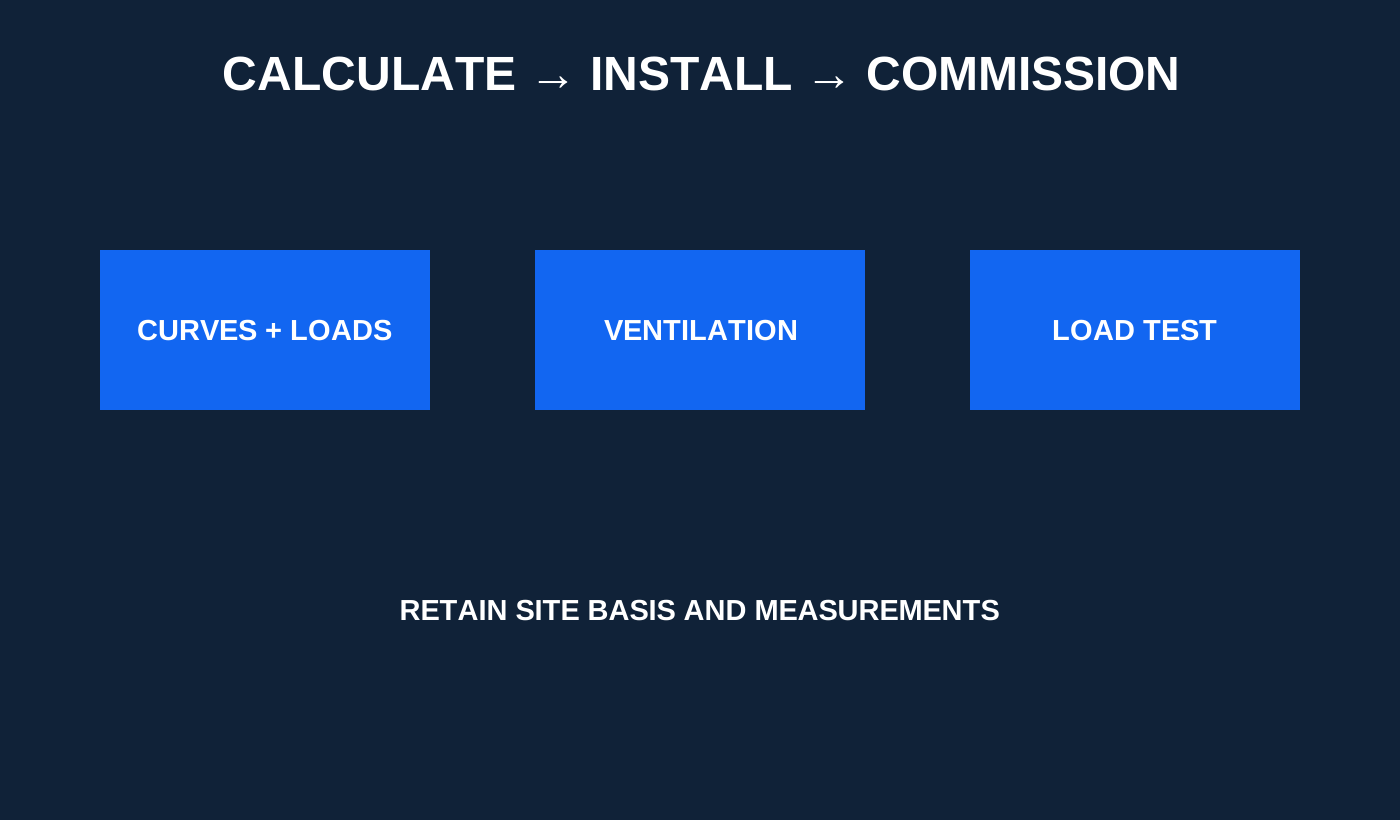
Commission under the most representative achievable conditions and use a controlled load bank or site-load test as appropriate. Confirm steady output, step response, cooling, fuel supply, exhaust, protections and room temperature rise.
Retain the site basis, manufacturer curves, calculations, drawings, settings and test report. Reassess when louvres, ducts, filters, enclosure, fuel, load sequence, firmware or site temperature changes.
FAQs
What is generator derating?
It is the reduction in available generator output or operating margin when site conditions differ from the rating reference or equipment limits.
Can I use one derating percentage for every generator?
No. Engine aspiration, controls, alternator, temperature rise, enclosure and fuel differ. Use exact manufacturer curves.
Does altitude affect kW and kVA equally?
Not necessarily. Engine real-power and alternator thermal/apparent-power limits must be evaluated separately.
How should derating be verified?
Review calculations and manufacturer data, then commission the installed set with representative load, airflow and temperature measurements.
Send Us the Duty and Site Conditions
We will match the RFQ inputs to a confirmed GENKVA capacity and fuel configuration for engineering review.
Request a generator quote