
Generator protection inputs ·
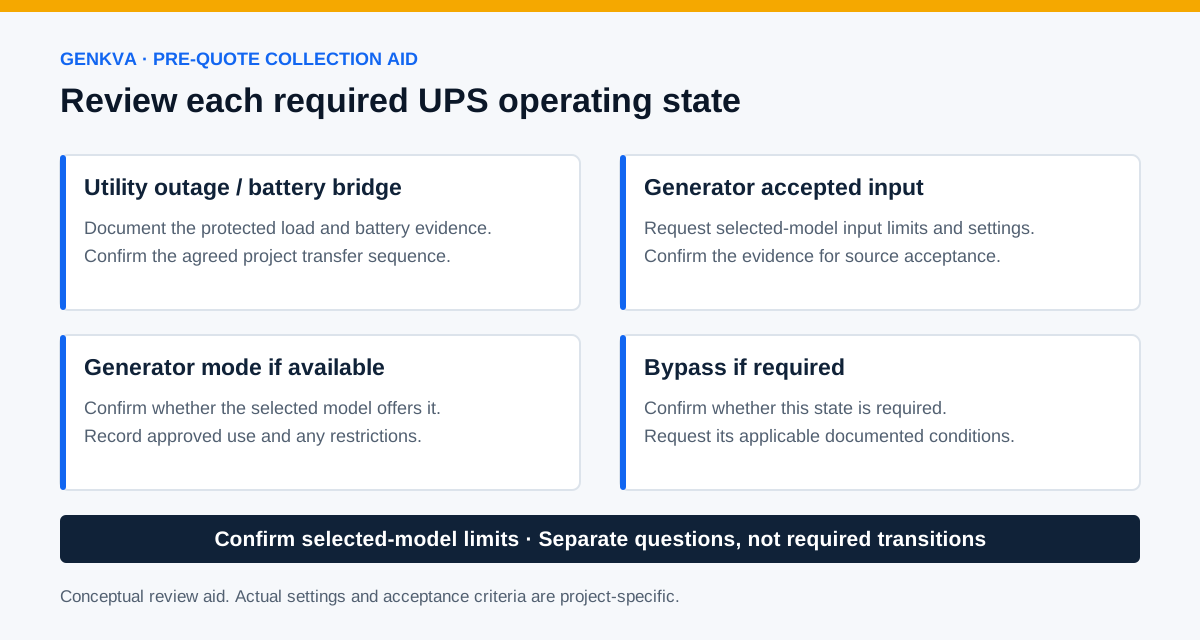
Generator and UPS Compatibility: A Pre-Quote Checklist
Collect UPS operating limits, recharge settings and recovery inputs before requesting a generator quote. Use a model-specific compatibility checklist.
Read the fault-current evidence guide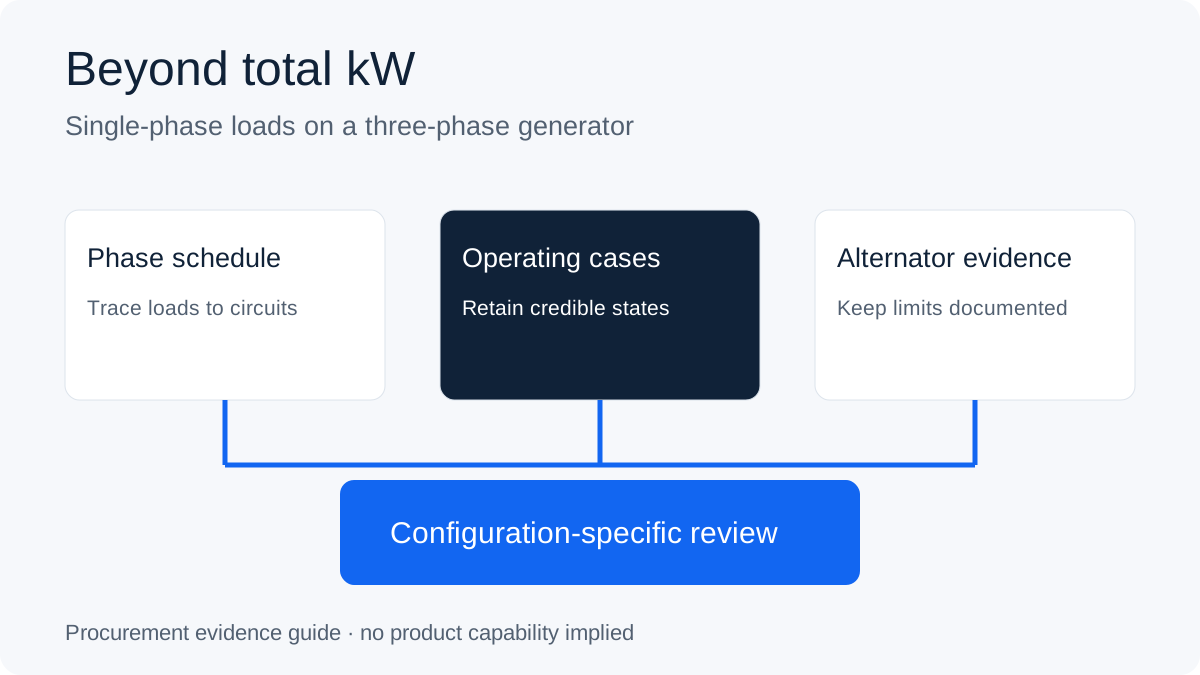
Generator protection inputs ·
Single-Phase Loads on a Three-Phase Generator: Beyond Total kW
Review single-phase loads on a three-phase generator by phase and operating case. Prepare alternator evidence and a load schedule beyond total kW.
Read the fault-current evidence guide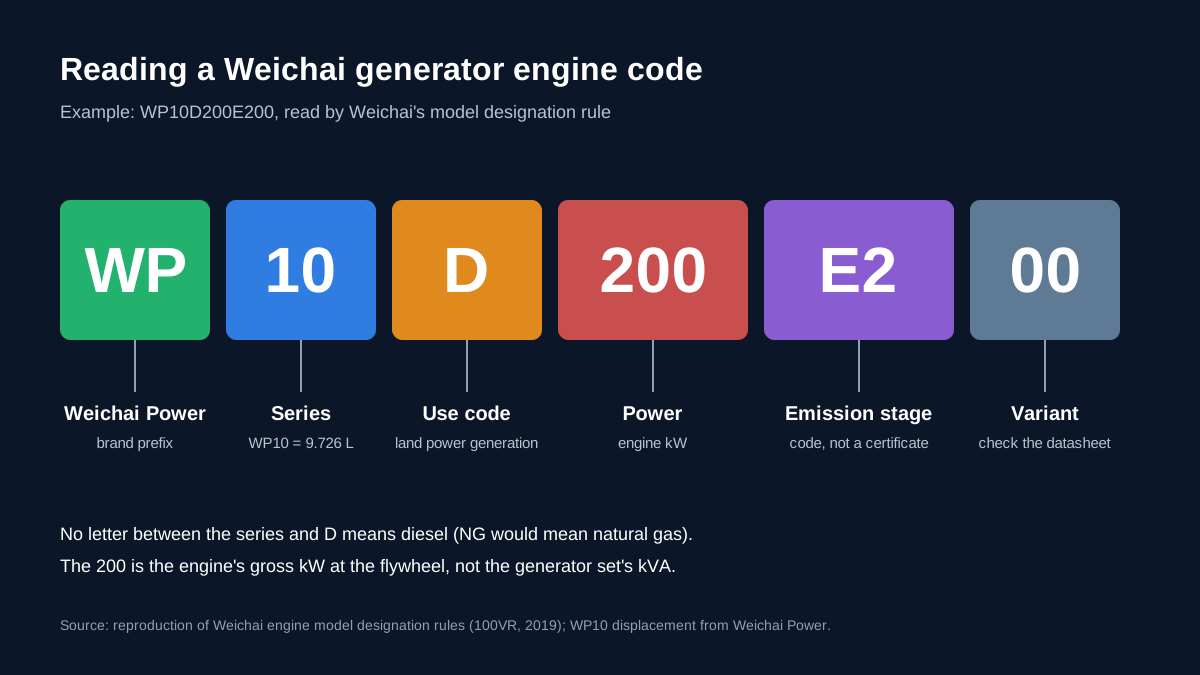
Generator protection inputs ·
Weichai Diesel Generator Engine Codes: How to Read WP Models and Match kVA
Decode a Weichai generator engine code (WP10D200E200): series, D, the kW number, E stage and variant, why it is not the genset kVA, and GENKVA's 7 pairings.
Read the fault-current evidence guideFrom our factory team
Generator buyer guides.
We use our blog to explain the practical decisions our customers should make before sending a generator specification. Each article separates confirmed GENKVA product facts from general planning guidance.
Generator protection inputs ·
Generator Fault Current and Breaker Coordination: What to Request
Request generator fault-current data, excitation details and breaker records for the project protection study. Keep configuration and source-mode gaps visible.
Read the fault-current evidence guide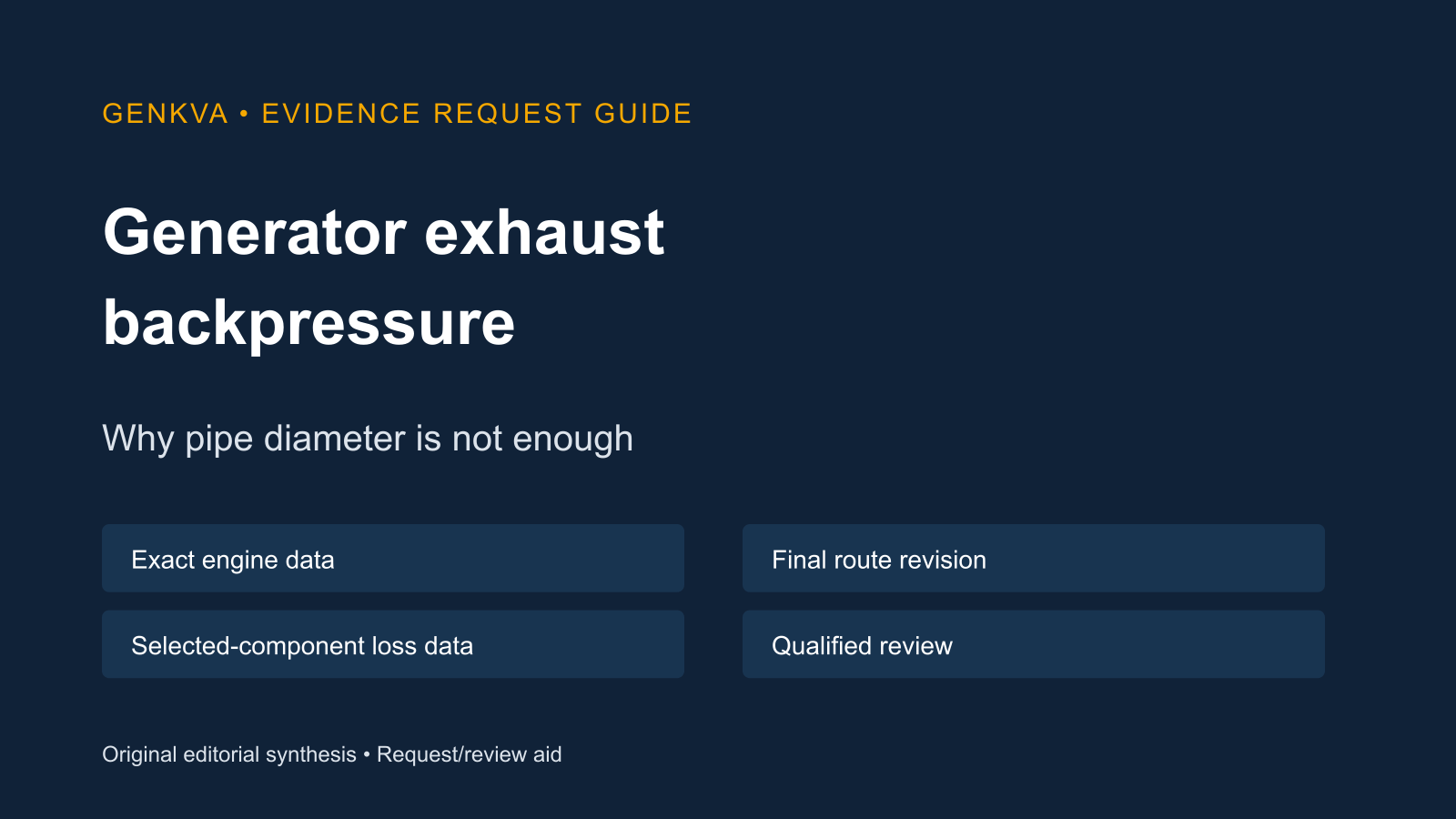
Exhaust backpressure ·
Generator Exhaust Backpressure: Why Pipe Diameter Is Not Enough
Review engine OEM data, silencer and pipe loss inputs, and installed verification records before accepting a generator exhaust backpressure handoff.
Read the exhaust backpressure guide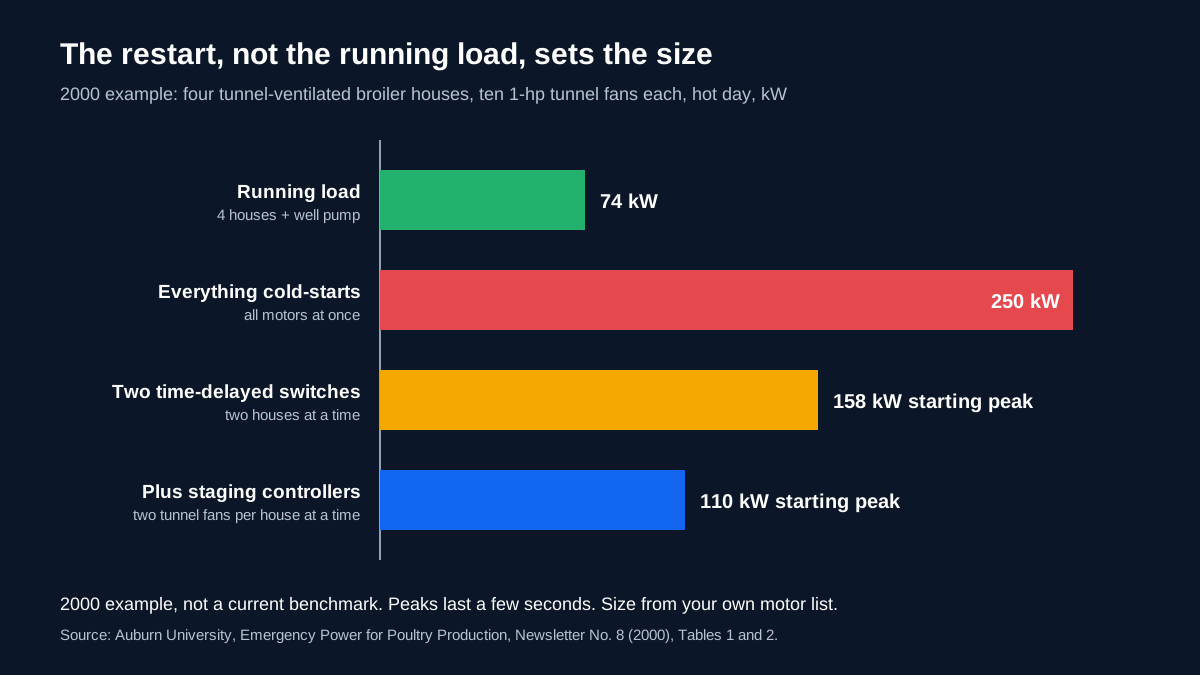
Poultry farm sizing ·
Poultry Farm Generator Sizing: Fan Loads, Staged Starts, ATS and Fuel
Size a poultry farm generator for the restart, not the running load: start from your own motor list, then check starting watts, staged transfer, ATS and fuel.
Read the poultry farm sizing guide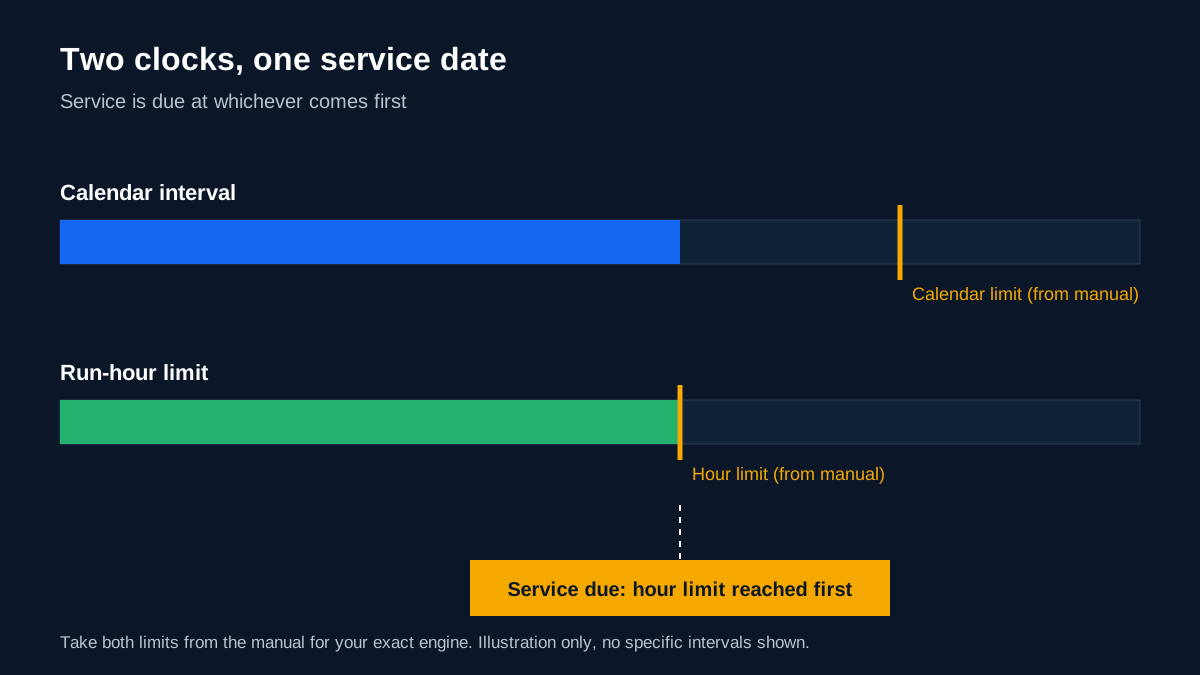
Diesel generator maintenance · latest guide
Diesel Generator Preventive Maintenance Schedule
Build a diesel generator maintenance schedule on two clocks: weekly checks, NFPA 110 monthly exercise, the annual load test trigger and battery timing.
Read the maintenance schedule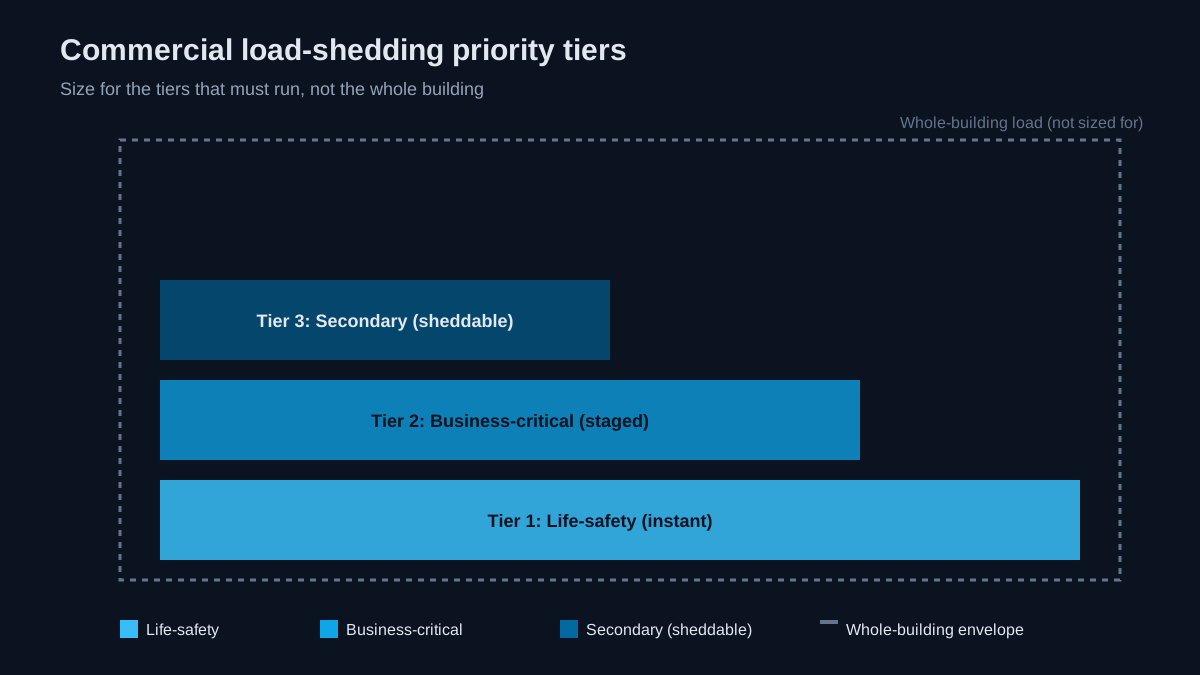
Commercial standby power · latest guide
Commercial Standby Generator Sizing
Plan load-shedding tiers, runtime, fuel type and ATS behavior around the essential circuits in an office or retail building.
Read the commercial standby guide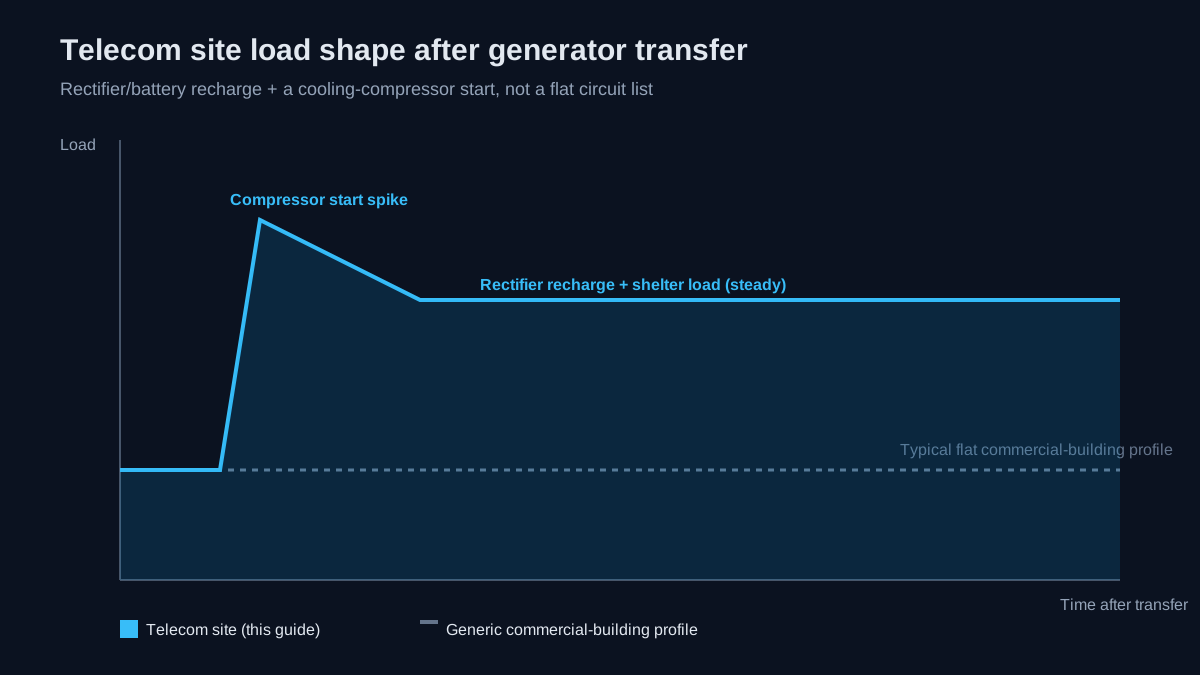
Telecom backup power · latest guide
Telecom Backup Generator Sizing
Size around rectifier and battery-recharge demand, cooling-compressor starts, runtime, fuel access and ATS behavior for the specific cell site.
Read the telecom guide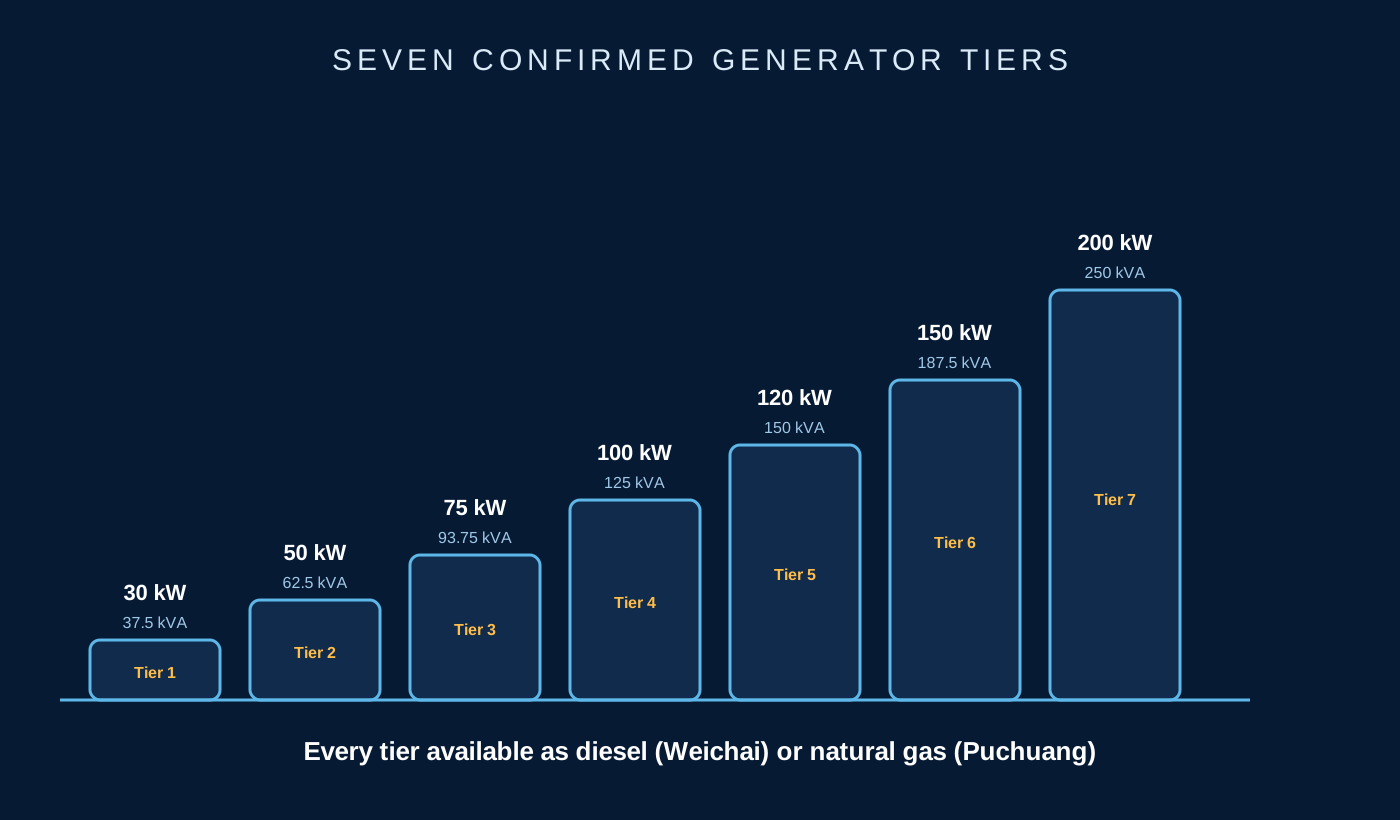
Generator sizing guide · latest guide
What Size Generator Do You Need?
Compare all seven confirmed GENKVA tiers from 30–200 kW (37.5–250 kVA), then check motor starting, derating and duty before requesting a quote.
Compare generator sizes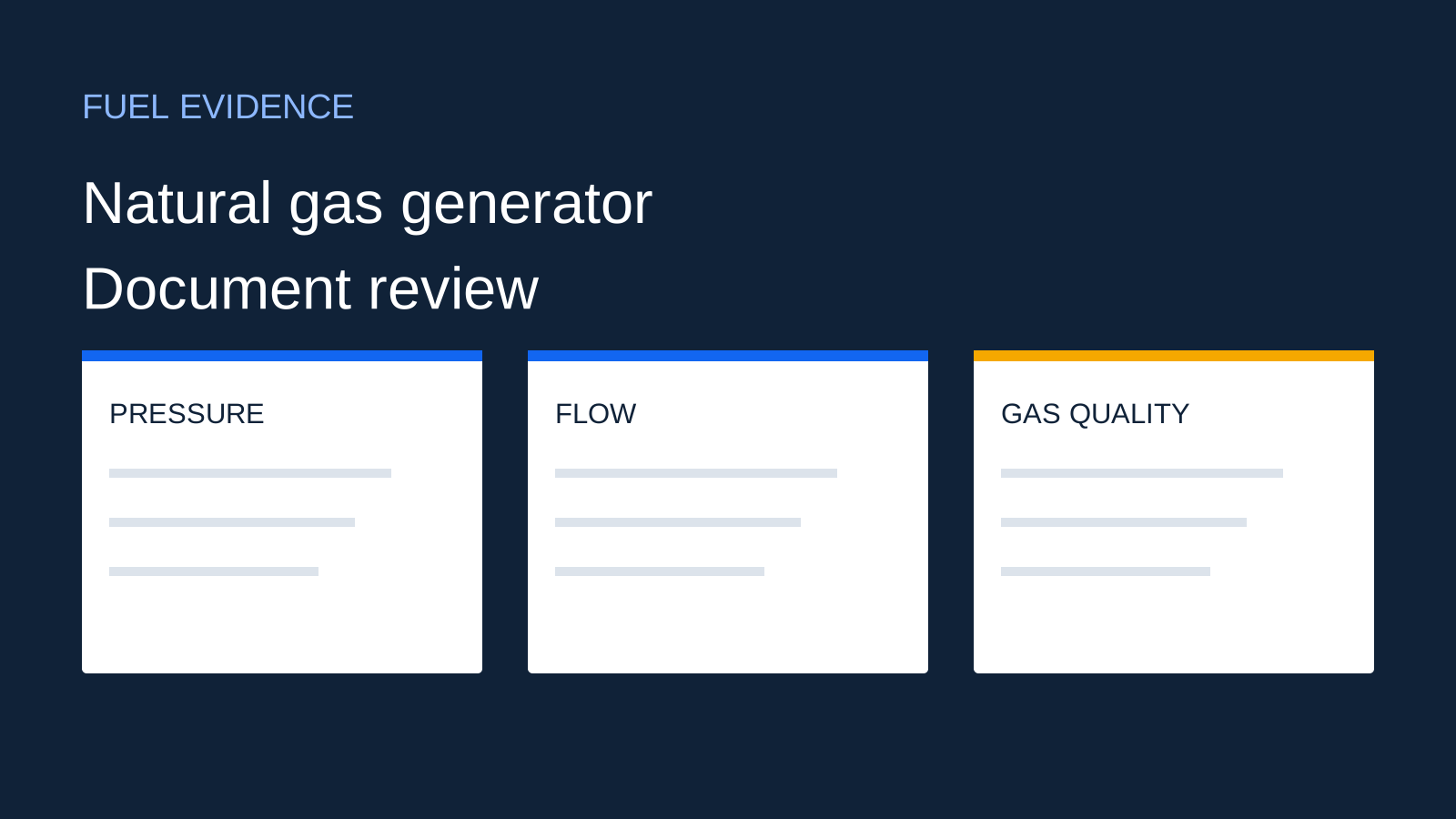
Fuel evidence guide
Natural Gas Generator Fuel Requirements
Keep pressure, flow, gas-quality and engine-acceptance evidence tied to the exact package and operating condition.
Read the guide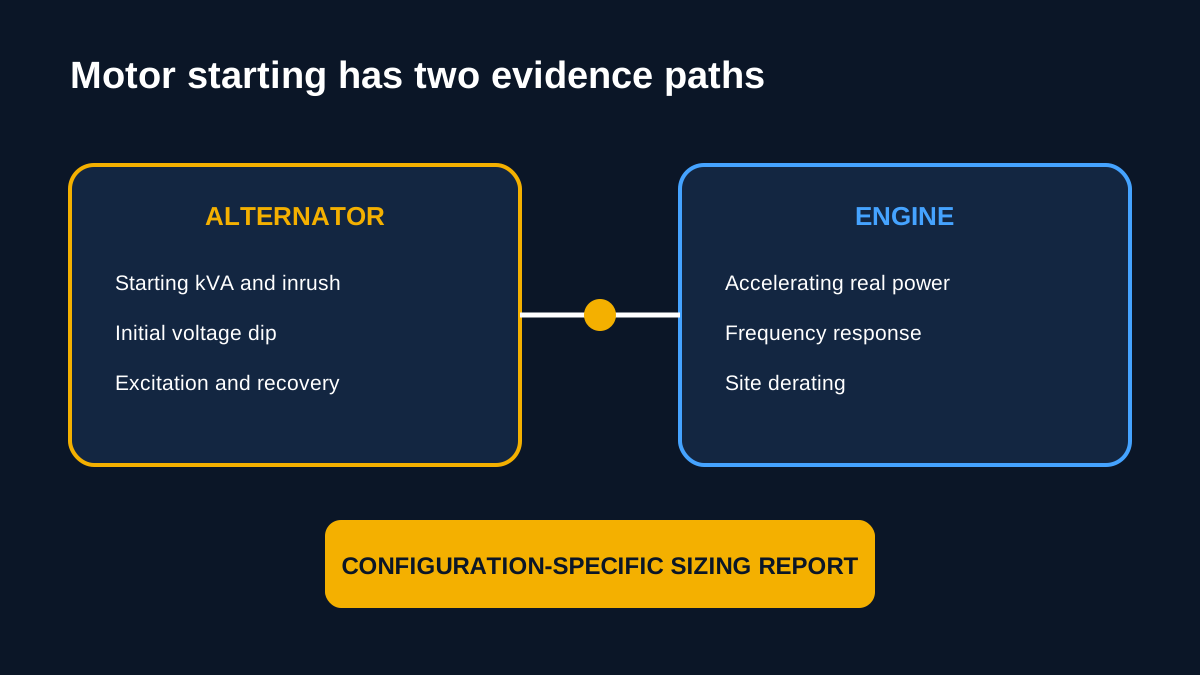
Motor-starting sizing
Will the Generator Start Your Motor?
Check running kW, starting kVA, inrush, starter method, voltage dip and recovery using the exact connected-load evidence.
Read the guide
Factory acceptance · latest guide
Generator Load Bank Test Before Shipment
Review nine connected FAT records before shipment release, while keeping factory evidence separate from site commissioning.
Read the latest guideFrequency compatibility
50 Hz vs 60 Hz Generators: What to Check Before Buying
Match site frequency, voltage, phase, connected-load evidence and the exact offered generator configuration before approving an order.
Read the frequency guideTransfer switch selection
Generator ATS Selection: Confirm the Electrical and Transfer Sequence
Select an automatic transfer switch from the approved one-line, load current, fault duty, poles and neutral, transition method and the full operating sequence — not from generator kVA alone.
Read the ATS selection guide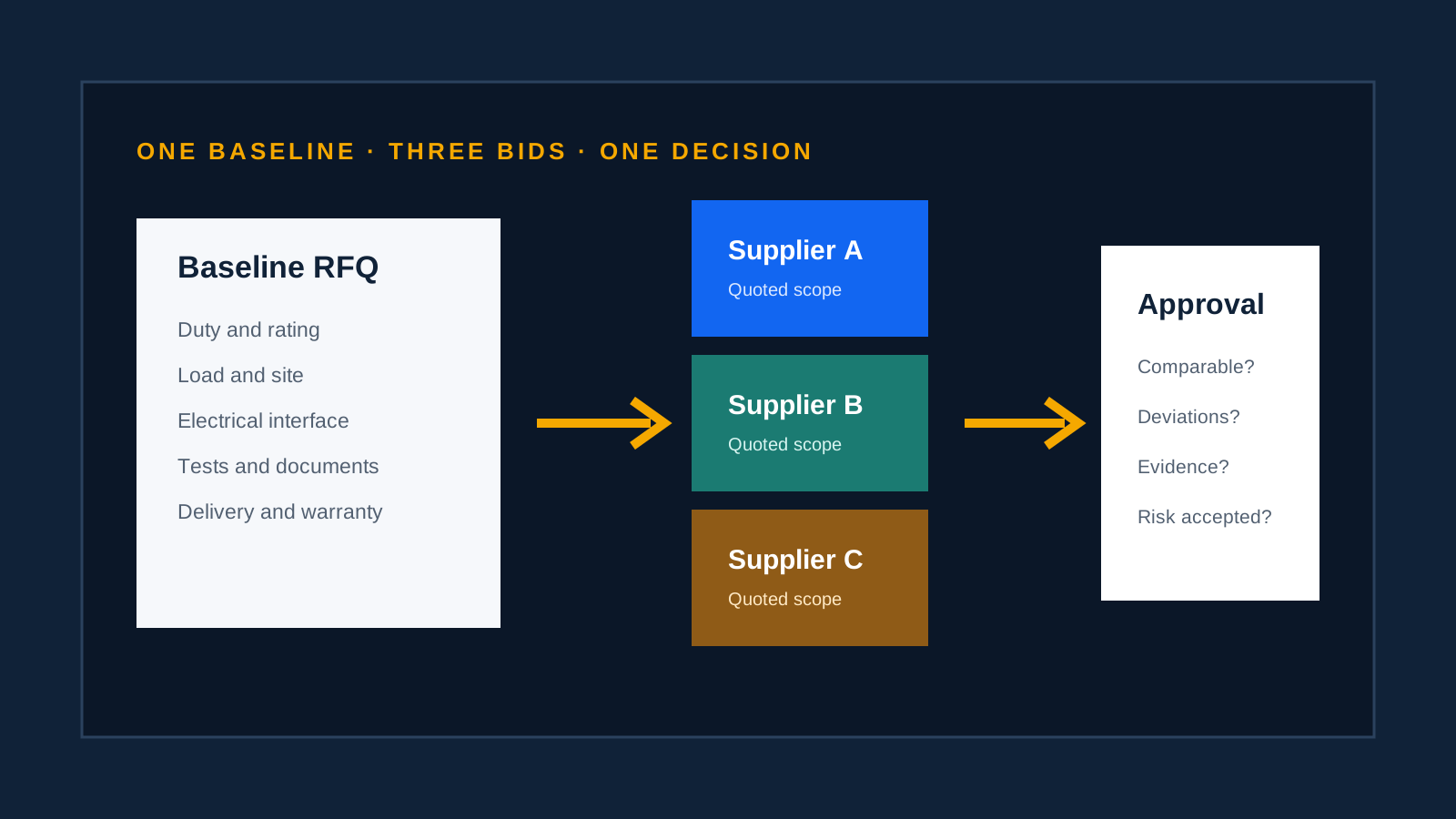
Procurement and RFQ - latest guide
Before You Approve a Generator Quote
Turn one load and site baseline into a comparable RFQ, then equalize supplier scope, deviations, evaluated price, delivery, testing and warranty before approval.
Read the latest guideAcoustic and installation review
Silent Generator Sets: What Buyers Must Check Beyond the Noise Rating
Verify the noise method, load, airflow, enclosure, service access and installed site boundary before comparing a dB claim.
Read the silent generator guideDuty selection
Standby vs Prime vs Continuous Generator Ratings
Choose the rating from utility availability, operating hours, load variability, overload need and exact manufacturer limits.
Read the generator ratings guideEnvironment and sizing
Generator Derating for Altitude and Temperature
Altitude and ambient temperature can reduce available generator output. Prepare the correction inputs and review a quotation without treating nameplate kVA as a universal operating value.
Read the derating guideFuel selection
Diesel vs Natural Gas Generator: 7 Factors to Check Before Buying
Our factory team explains how to compare duty, load response, fuel resilience, lifetime cost, emissions and maintenance before selecting a generator family.
Read the fuel guideContinue the research
Use the guide with project-specific calculations.
Our comparison article explains the fuel decision in depth. The next step is to turn your own load, fuel and operating data into a controlled generator inquiry.
Review kW and kVA sizing, calculate a preliminary demand with our generator size calculator, and use the RFQ builder to keep unknown values visible. We publish one researched article rather than filling the blog with repeated short posts.
When we add guidance, it must answer a real buyer question, distinguish verified product facts from general engineering information, identify assumptions and link to the relevant factory range. Dates, sources and safety boundaries remain visible so a reader can judge where the information came from and when specialist review is required.